Full Transcript
Loading transcript…
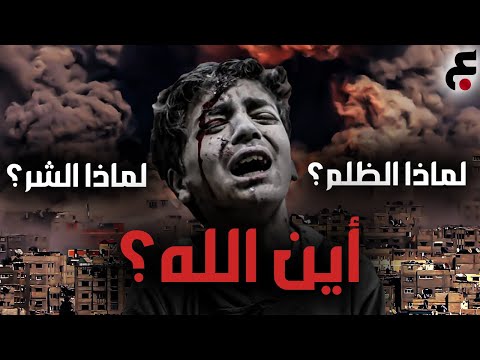
Anyone questioning the existence of God or divine justice in the face of suffering and injustice.
The speaker questions why an all-powerful, loving God doesn't prevent suffering, exploring the concept of free will versus divine will.
People pray for material things like cars, but these are rarely granted directly, unlike spiritual needs.
Ancient miracles like Moses parting the sea are discussed, questioning their relevance and literal interpretation today.
The episode begins by revisiting the idea that God's love is the source of existence, contrasting it with the reality of evil.
The existence of atrocities, crimes, natural disasters, and diseases, especially affecting innocent children, poses a challenge to divine love.
The speaker rejects the idea that natural disasters are divine punishment for sins, especially when they affect innocent people.
The concept of suffering as a divine trial is deemed unacceptable, particularly when it affects innocent children without fault.
The episode aims to discuss the problem of evil from various angles, acknowledging its complexity and the lack of easy answers.
The speaker addresses the persistent question of why God doesn't intervene to stop widespread suffering, violence, and injustice.
The discussion shifts to defining evil and exploring philosophical perspectives, starting with Leibniz's view of evil as part of a greater good.