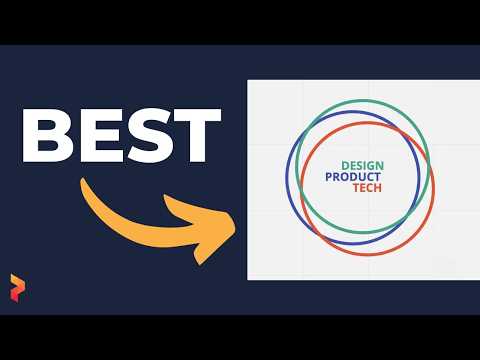
What Great Product Team Collaboration Looks Like
https://www.youtube.com/watch?v=f9TC3LEFP2U
[00:00] The best product teams that I ever worked with don't argue over things like whose responsibility is this?
[00:05] Or I don't understand what design does or what product does.
[00:09] In fact, I've seen hundreds of product teams now as a product coach.
[00:12] And this has been a clear theme between the best product teams and I don't want to say the worst, but you kind of get my point.
[00:19] The other day, I ran a webinar to over 150 product people on this topic.
[00:23] I wanted to share my experiences about how the best product teams collaborate as well as given a bunch of practical tools and activities that you can do to help increase collaboration in your team.
[00:34] So, as I mentioned, I'm a product coach.
[00:35] As a result of that, I get the absolute privilege to spend lots of time in many different companies.
[00:41] I have many different clients from small companies to large companies across a whole bunch of different industries.
[00:48] And I also do one-on-one mentoring.
[00:49] I have a product mentorship as part of product pathways and that means I get to also speak to and spend time with a lot of individual product managers, leaders, founders across a whole heap of more companies all around the world.
[01:00] Also reflecting on
[01:02] all around the world.
[01:04] Also reflecting on my own experience, you know, my own experience, you know, collaboration was one of those things.
[01:06] collaboration was one of those things that really stood out as something that.
[01:09] that really stood out as something that was that truly separated the more.
[01:11] was that truly separated the more average teams from like the best teams.
[01:14] average teams from like the best teams.
[01:15] And if I think about the best teams that I worked in, there was definitely this.
[01:17] I worked in, there was definitely this this very high level of collaboration.
[01:19] this very high level of collaboration.
[01:21] Now, I know that sounds really fluffy and it's like a no-brainer, but there's.
[01:23] and it's like a no-brainer, but there's a lot of nuance behind what does good.
[01:26] a lot of nuance behind what does good collaboration look like and super.
[01:29] collaboration look like and super timely.
[01:33] Like literally 2 hours ago, I was in a discovery workshop with a.
[01:35] was in a discovery workshop with a product team.
[01:37] product team.
[01:40] I basically did a product trio for one of my clients and it was a great example of, you know, get into.
[01:42] great example of, you know, get into what good looks like.
[01:44] what good looks like.
[01:45] And I actually even said it to them and I was saying to them in it and I thought this story was.
[01:47] even said it to them and I was saying to them in it and I thought this story was worth adding and I did this very last.
[01:48] worth adding and I did this very last minute.
[01:52] Um I I said to them that like if we went back a couple of weeks ago and.
[01:54] we went back a couple of weeks ago and or a couple of months 3 months ago and.
[01:56] or a couple of months 3 months ago and if I was describing to them that you.
[01:59] if I was describing to them that you know when we think about this like kind.
[02:01] know when we think about this like kind of product process and we think about.
[02:03] of product process and we think about like going from problem to solution to
[02:05] like going from problem to solution to design to build releasing and this feels
[02:08] design to build releasing and this feels really like linear and we go from one
[02:10] really like linear and we go from one step to another.
[02:13] I said if I was trying to describe what they just did, which
[02:15] was part of that workshop, they were
[02:18] going from problem to like solution.
[02:20] So like one minute they're talking about
[02:22] like this really nuanced thing around
[02:24] the actual solution of what they're
[02:26] trying to build and then they're kind of
[02:27] like rewinding all the way back to like
[02:29] well actually the problem that the
[02:31] customers are actually facing is this
[02:33] and we know from the interviews that
[02:35] we've run that you know they said that
[02:37] this was a challenge or they would just
[02:39] do this and what they were actually
[02:40] doing looked a lot more like this in
[02:43] that in that session right and what I
[02:46] was saying to them and I I experienced
[02:47] this over and over again and I went
[02:49] through it as Well, is trying to
[02:53] describe this like if I tried to
[02:55] describe that you could go from really
[02:58] detailed solution back to problem and
[03:00] back and forth in the space of a 30
[03:03] back and forth in the space of a 30 minute conversation.
[03:06] minute conversation.
[03:07] confused as to how that would be possible and how that would be effective.
[03:11] effective.
[03:14] And it's one of those things that is really hard to describe and it's very hard to really I guess understand it truly until you've experienced it.
[03:20] it truly until you've experienced it.
[03:22] But this is actually what that level of collaboration looks like.
[03:23] And this is actually what the product process looks like.
[03:25] actually what the product process looks like.
[03:27] Unfortunately, it's a real spaghetti mess.
[03:31] And the reason why we do this and it has to be messy in this way is because product requires many different parties with many different perspectives all coming together right.
[03:33] is because product requires many different parties with many different perspectives all coming together right.
[03:35] we need someone to think about the product we need obviously design inside that we need engineering people to build it we need you know maybe marketing we need sales that type of stuff you can throw a whole bunch of other roles onto this as well and underneath every single one of these roles is a whole bunch of skills activities ities, expertise that like individuals kind of bring to the table.
[03:37] different parties with many different perspectives all coming together right.
[03:40] we need someone to think about the product we need obviously design inside that we need engineering people to build it we need you know maybe marketing we need sales that type of stuff you can throw a whole bunch of other roles onto this as well and underneath every single one of these roles is a whole bunch of skills activities ities, expertise that like individuals kind of bring to the table.
[03:42] product we need obviously design inside that we need engineering people to build it we need you know maybe marketing we need sales that type of stuff you can throw a whole bunch of other roles onto this as well and underneath every single one of these roles is a whole bunch of skills activities ities, expertise that like individuals kind of bring to the table.
[03:44] that we need engineering people to build it we need you know maybe marketing we need sales that type of stuff you can throw a whole bunch of other roles onto this as well and underneath every single one of these roles is a whole bunch of skills activities ities, expertise that like individuals kind of bring to the table.
[03:46] it we need you know maybe marketing we need sales that type of stuff you can throw a whole bunch of other roles onto this as well and underneath every single one of these roles is a whole bunch of skills activities ities, expertise that like individuals kind of bring to the table.
[03:48] we need you know maybe marketing we need sales that type of stuff you can throw a whole bunch of other roles onto this as well and underneath every single one of these roles is a whole bunch of skills activities ities, expertise that like individuals kind of bring to the table.
[03:50] need sales that type of stuff you can throw a whole bunch of other roles onto this as well and underneath every single one of these roles is a whole bunch of skills activities ities, expertise that like individuals kind of bring to the table.
[03:52] throw a whole bunch of other roles onto this as well and underneath every single one of these roles is a whole bunch of skills activities ities, expertise that like individuals kind of bring to the table.
[03:54] this as well and underneath every single one of these roles is a whole bunch of skills activities ities, expertise that like individuals kind of bring to the table.
[03:57] one of these roles is a whole bunch of skills activities ities, expertise that like individuals kind of bring to the table.
[04:00] skills activities ities, expertise that like individuals kind of bring to the table.
[04:02] like individuals kind of bring to the table.
[04:05] table. And all of these things are necessary for product success.
[04:07] And I don't know about you, but I'm yet to meet somebody who is fantastic and can do all of these things.
[04:12] Now, being a founder myself, I know what it's like when you start a company.
[04:16] You kind of try to do all these things, and you're definitely a generalist, but very quickly, you realize the gaps that you have.
[04:23] you try and plug those gaps, but as soon as you start to make revenue, you actually start to hire and find people who are actually much better at it than you, right?
[04:30] So, product ultimately is a team sport.
[04:33] Uh, there's this really good interview with Steve Jobs.
[04:35] I encourage looking it up because if you haven't watched it, it's actually fantastic.
[04:38] It's called The Lost Interview with him and you can find snippets of the interview on YouTube.
[04:44] There's this snippet in there where he's talking about I think it's John Scully that takes over from him and one of the things that he describes is he says like Scully got this disease and he says that he's seen this disease in many people and it's the disease of thinking that a really good idea is 90% of the work and he goes on to say like that we just need to come up with this brilliant idea and
[05:05] to come up with this brilliant idea and we just need someone to write it down.
[05:08] we just need someone to write it down and to tell other people what to do.
[05:10] and to tell other people what to do right we just need you to build this.
[05:12] right we just need you to build this idea and that that's the majority.
[05:13] idea and that that's the majority majority of the work.
[05:16] majority of the work. Uh he goes on to say the problem with this thinking is.
[05:17] say the problem with this thinking is that there's just a tremendous amount of.
[05:20] that there's just a tremendous amount of craftsmanship between a great idea and a.
[05:22] craftsmanship between a great idea and a great product. And this has very much.
[05:24] great product. And this has very much been my experience too. And he continues.
[05:27] been my experience too. And he continues to say like how the idea starts and how.
[05:30] to say like how the idea starts and how it comes into that process and.
[05:32] it comes into that process and ultimately how it comes out the other.
[05:34] ultimately how it comes out the other end are usually two very different.
[05:37] end are usually two very different things, right? there's a lot of shaping.
[05:39] things, right? there's a lot of shaping and changing and iterating that occurs.
[05:41] and changing and iterating that occurs throughout that process. Now, the mess.
[05:44] throughout that process. Now, the mess is, you know, is hard to navigate and.
[05:48] is, you know, is hard to navigate and people don't like it. And that's why we.
[05:49] people don't like it. And that's why we prefer to go down this path of having.
[05:52] prefer to go down this path of having these clear lines of responsibility.
[05:54] these clear lines of responsibility, right? Like we want to be able to say.
[05:56] right? Like we want to be able to say where does one role start and the other.
[05:58] where does one role start and the other role finish, right? So, we want to know.
[06:00] role finish, right? So, we want to know like, okay, what's the product box and.
[06:02] like, okay, what's the product box and where does sit and where does.
[06:03] where does sit and where does engineering sit? And and I understand.
[06:05] engineering sit? And and I understand it. It comes from a good intention. It
[06:07] It. It comes from a good intention.
[06:07] It comes from a good place.
[06:08] You know, we comes from a good place.
[06:08] You know, we feel like this is messy, this is hard.
[06:11] feel like this is messy, this is hard.
[06:11] You know, everyone's stepping on each other's toes.
[06:12] I don't understand, you know, where my role starts and and and ends and somebody else's role starts and ends.
[06:14] But besides the very obvious problem with that being that making it more like waterfall and not this collaborative way, great products are really built at the intersect of well what our users care about, what is viable to our business and what we can ultimately achieve with the technology, right?
[06:17] And we often refer to this as desiraability, viability, feasibility.
[06:19] And this is why we often have roles that you know evangelize in each side of the fence.
[06:23] Now, when you go down this path of like, okay, let's stop people treading on each other's toes.
[06:25] Let's come up with this, you know, clear lines of responsibilities, as we often say, you actually end up with a picture that looks a lot more like this, right?
[06:26] Where there's no overlap because, you know, we're trying to protect each others.
[06:29] And like I said, it comes from a good place.
[07:08] like I said, it comes from a good place.
[07:11] Now, a danger with all that is what you actually create is a whole bunch of gaps and handovers where knowledge and information is lost.
[07:16] Every single time we hand something over, we miss context.
[07:20] We miss information.
[07:22] There's just no possible feasible way to be able to hand all of that across.
[07:27] And it we also incur a coordination overhead because we need to actually now, you know, coordinate with each others.
[07:30] There's dependencies that side of the fence.
[07:35] Now, this would work fine if it was as simple as, you know, a nice neat chain of events.
[07:41] But because we have those gaps and because there's those that knowledge is lost inside of those gaps, what ends up happening is that there's just a bunch of questions, right?
[07:50] Naturally, what do you mean by this?
[07:52] I'm not quite sure about this.
[07:54] How how does this look?
[07:55] Does this actually fulfill the purpose?
[07:58] And there's more questions and more questions.
[08:00] And it's not isolated to any one point in time.
[08:03] It's actually happens across every single time there's one of these gaps and one of these handovers.
[08:06] And it also doesn't
[08:09] of these handovers.
[08:09] And it also doesn't just happen between two people.
[08:11] It often just happen between two people.
[08:11] It often goes up and down through multiple people.
[08:14] goes up and down through multiple people as well, which you sometimes end up in.
[08:16] as well, which you sometimes end up in this game of like, you know, like.
[08:17] this game of like, you know, like Chinese whispers type thing, right?
[08:20] Chinese whispers type thing, right?
[08:20] Now, this also creates a whole bunch of other.
[08:23] this also creates a whole bunch of other forms of waste, right?
[08:25] forms of waste, right?
[08:25] Where we're spending a lot of time going back and forth clarifying things and we kind of.
[08:27] spending a lot of time going back and forth clarifying things and we kind of leave a lot up to interpretation.
[08:29] leave a lot up to interpretation.
[08:29] And like I said, it comes from a good place.
[08:31] like I said, it comes from a good place because ultimately, if you think about.
[08:33] because ultimately, if you think about it, what are we trying to achieve with.
[08:35] it, what are we trying to achieve with like these clear lines of responsibilities?
[08:36] like these clear lines of responsibilities?
[08:36] Well, I'm actually trying to make each of these individual.
[08:38] responsibilities?
[08:38] Well, I'm actually trying to make each of these individual people's lives better, right?
[08:40] trying to make each of these individual people's lives better, right?
[08:40] I'm trying to just let the engineers be heads down coded, right?
[08:42] people's lives better, right?
[08:42] I'm trying to just let the engineers be heads down coded, right?
[08:44] coded, right?
[08:44] Like don't interrupt them.
[08:47] don't interrupt them.
[08:47] I just want them, you know, and it's great like from from your point of view.
[08:49] I just want them, you know, and it's great like from from your point of view, you're like, "Awesome.
[08:51] great like from from your point of view, you're like, "Awesome. I have no meetings in my calendar.
[08:53] you're like, "Awesome. I have no meetings in my calendar. I don't need to talk to anyone.
[08:54] I have no meetings in my calendar. I don't need to talk to anyone. This is awesome.
[08:56] I don't need to talk to anyone. This is awesome. Like I can just like be heads down and do things."
[08:57] This is awesome. Like I can just like be heads down and do things."
[09:00] can just like be heads down and do things."
[09:00] Although awesome depending on your personality I'm a bit more introverted so it's great for me but.
[09:01] Although awesome depending on your personality I'm a bit more introverted so it's great for me but yeah depend on who you are maybe not but whilst we optimize for the individual.
[09:03] your personality I'm a bit more introverted so it's great for me but yeah depend on who you are maybe not but whilst we optimize for the individual.
[09:05] introverted so it's great for me but yeah depend on who you are maybe not but whilst we optimize for the individual.
[09:08] yeah depend on who you are maybe not but whilst we optimize for the individual.
[09:10] whilst we optimize for the individual what actually suffers is the overall
[09:13] what actually suffers is the overall picture right what actually suffers is
[09:15] picture right what actually suffers is the ultimate output that we create and
[09:17] the ultimate output that we create and the outcomes that we drive because we
[09:18] the outcomes that we drive because we have other forms of waste like knowledge
[09:20] have other forms of waste like knowledge loss we have this back and forth between
[09:23] loss we have this back and forth between you know questions and stuff and this is
[09:26] ultimately one of the challenges of
[09:27] failings of waterfall and Marty wrote A
[09:30] mighty Kagan wrote a article quite
[09:33] recently say recently but it might be
[09:35] three four years old now but he was
[09:36] talking about the origins of product
[09:37] discovery and he had a little bit of a
[09:39] good way of framing this in there. So he
[09:42] started using the term discovery like
[09:44] product discovery on purpose because
[09:46] what he says in the article in good
[09:48] teams products were conceived by true
[09:50] collaboration between engineers,
[09:52] designers and product managers not by
[09:54] some product manager declaring these are
[09:56] the requirements now go design and build
[09:59] this very much what Steve Jobs is
[10:01] describing in that interview as well. So
[10:04] we actually want collaboration which
[10:06] means that we want overlap. Overlap is a
[10:08] good thing because that's how we work
[10:10] towards this intersect by having overlap
[10:12] towards this intersect by having overlap by collaborating together.
[10:15] Now I've reflected on my own career around this and also again the teams that I'm exposed to and what I found is some of the best teams that I've been a part of were took this even further.
[10:26] They were even more extreme than this and they actually looked a lot more like this picture.
[10:30] And what it meant was there was very few things that we did individually.
[10:36] Now, of course, this doesn't mean that we don't have individual work in time.
[10:39] Of course, we do.
[10:41] We're not like joints at the hip with everything.
[10:43] But there's a much more overlap where like we collaborate on almost everything.
[10:48] There are very few times where say multiple days will go past where we haven't, you know, got somebody else's feedback on something, right?
[10:56] So, you know, if you're building a product spec or designers are doing a design, it would be very rare to like 2 days go past or 3 days that go past that you haven't included other people in that conversation.
[11:06] This means that we're defining the backlog and we're defining the problem space and stuff together.
[11:10] Yes, as a product manager, you might lead that, you might have initial drafts
[11:14] lead that, you might have initial drafts and might have initial thoughts, but and might have initial thoughts, but you're getting everybody else to input into that, right?
[11:17] Does this make sense?
[11:19] Is this feasible?
[11:19] What do you think?
[11:21] This means that we interview customers together.
[11:22] So again, rather than trying to optimize for engineers writing the maximum not lines of code per day, we want to have less code and we want to involve them in things like interviewing customers because the better that they understand who they're building for their problems.
[11:36] They can build better solutions off the back of it and everything kind of speeds up off the back of it and we uncover opportunities together.
[11:46] We synthesize together.
[11:46] We ideulate together.
[11:48] We, you know, we spend time designing together cuz we need to understand what's feasible and what's valuable, not just what's desirable.
[11:56] We do things like, this is really tangible for you.
[11:58] We do things like story kickoffs.
[12:00] So, if we're picking up a new user story or a new backlog item or a new feature, we do a kickoff and do a feature kickoff.
[12:05] Get the trio together, get multiple people, get whoever you need, get them together, spend 15 minutes, 30 minutes, an hour,
[12:15] spend 15 minutes, 30 minutes, an hour, whatever it takes.
[12:15] Do a kickoff.
[12:17] Make whatever it takes.
[12:17] Do a kickoff.
[12:17] Make sure everybody's on the same page.
[12:19] Yeah.
[12:19] shared that knowledge.
[12:21] Again, this the same on the build side.
[12:23] It's very rare that, you know, three, four, five days would go past that I don't see what we're building, right?
[12:26] We do things like desk checks or shoulder checks as they often referred to.
[12:30] The engineers are constantly showing and sharing and communicating what they're building and where they're at and we're getting feedback inside that build cycle.
[12:35] Um, we do planning together, we release plan together, we we release together as well.
[12:42] Like this isn't about like product saying we have to release on this date everyone too bad and engineers like well it doesn't work so like you can release it who cares it's a group decision right?
[12:50] Like we release when we're all comfortable to release uh we look at data together and I can kind of rattle off very very long list Jeff pattern said it pretty well at the start of his passionate product leadership course he says whilst a single product owner may lead product ownership and product success is a whole team responsibility right?
[13:10] So what you're really trying to cultivate is co-owners of the product bringing everyone
[13:16] bringing everyone together.
[13:19] Now, let's go through some practical ways you can kind of drive towards that and build towards that.
[13:24] So, I'm going to go through a bunch of techniques that I use day-to-day with my clients.
[13:29] Uh they're kind of repeatable things that I've introduced in startups all the way to large enterprises and they're all really useful and hopefully they're just things to add to your toolkit.
[13:38] So the first thing I want to take you through is this model that I referred to as driver navigator.
[13:43] So the idea behind this is this is a bit of a role clarity exercise or or framework whatever you want to call it that doesn't go to the extreme of like clear lines of responsibilities and like hardcore races.
[13:58] So it's not that hard to do.
[14:01] It's very lightweight but it also tries to encourage collaboration.
[14:02] Right?
[14:04] So it wants to give the right level of role clarity while still encouraging collaboration.
[14:08] And the way that this looks is you can think of like the product cycle or the product development cycle I should say.
[14:15] And at every stage in this process, we have somebody who's
[14:17] in this process, we have somebody who's driving and somebody who's navigating,
[14:19] driving and somebody who's navigating, right?
[14:22] And what we usually want, we want one driver and we can have as many navigators as we want.
[14:27] Now let me take you through an example.
[14:29] This is not meant to so prefix.
[14:33] This is not meant to be like the way that you have to do it.
[14:35] This is just the way that I've predominantly worked and by no means is the best way to do this.
[14:39] So at the beginning of the process, at the beginning of the funnel, we kind of have product driving because we're trying to decide what problem spaces to focus on, right?
[14:48] Like so product kind of owns what problems do we solve?
[14:53] Uh and then we have design and engineering in the navigating seat.
[14:57] So this means that again, you don't do that on your own.
[14:59] You might have a initial view of it but you also include them in that conversation.
[15:04] Same goes for kind of problem space discovery right like so validating that we need to do that together as a group.
[15:10] However, as we move into more the solution space and we actually start to hone in on you know a handful of solutions that we actually want to ideulate and test.
[15:15] At that point
[15:18] want to ideulate and test.
[15:20] At that point I hand the driver seat to design because now we're getting into like detailed designs.
[15:21] We're getting into usability testing.
[15:23] We're getting into you know all that type of stuff.
[15:27] Design is more of the expert here.
[15:29] We're getting into their domain and their realm.
[15:31] At this point, product and engineering are now in the in the navigator seat.
[15:35] And that's because again, we don't want to come up with this beautiful design that's not feasible or something that is not viable or doesn't work for the business.
[15:44] Right?
[15:45] When we move into build, it goes over to engineering to drive because again, they're the experts at this stage.
[15:48] They're the ones actually building this thing.
[15:51] Product and design are in the navigating seat.
[15:53] And then it goes back full circle to product for release uh and design and engineering in the navigating seat.
[15:59] And often that's because release is more strategic.
[16:01] When I say release, I don't mean the technical activity of releasing like code.
[16:04] I mean like releasing stuff to your customers.
[16:06] So that's why it's more for product decision as like when do we actually release?
[16:12] But again, they're not going to do that without actually designing engineer and being part of that conversation as well.
[16:16] And actually, I'll just like small little side
[16:19] I'll just like small little side tangent, but I'll give a very tangible tangent, but I'll give a very tangible example here of why that's important on the release front.
[16:25] One of my clients that I'm working with right now, we're we're doing a bit of work around like release notes for them and just like very small thing.
[16:32] But, um, now you could easily go, well, release notes is an engineering thing.
[16:39] Uh, and then you end up with like very probably techy uh, focused release notes, right?
[16:44] That isn't doesn't that isn't really user friendly.
[16:46] Now you can then say it's a product thing and then you would come up with more user friendly release notes that are great for users to be able to consume and read.
[16:54] But if you kind of say that this is actually a collective thing, you untap other opportunities inside that.
[16:59] For example, if design are not part of the conversation, any screenshots or whatever in your release notes or you know your change coms are probably just going to be that they're going to be screenshots.
[17:09] They're going to be like here's a screenshot.
[17:11] Whereas, if you have this as a collaborative conversation, well, design can go, actually, I could create some bespoke graphics for that and make it look really cool.
[17:17] And yes, it's a little bit
[17:19] really cool.
[17:21] And yes, it's a little bit extra effort, but now your release notes look sick.
[17:23] They're slick.
[17:26] They're like really neat.
[17:28] They're well formatted.
[17:29] They got really nice graphics, you know, makes a huge amount of difference.
[17:31] And it's those little things that actually go really, really far, right?
[17:33] And that it's only going to occur through collaboration.
[17:35] Um, Marty said in his book, Inspired, if you're only using engineers to code, you're only getting half the value out of them.
[17:45] And I truly believe that, and I believe that extends to other roles as well, right?
[17:48] If you're only getting designers to design screens, you're only getting half the value if if less.
[17:53] Same with product people.
[17:55] If product people are stuck building requirements documents, you are getting a fraction of the value out of them.
[18:02] Now, the biggest barrier that I or the most common barrier I run into is engineers getting more involved on the discovery side, right?
[18:07] Like they they don't understand why they need to be involved with interviewing customers.
[18:13] I've literally had an engineer tell me, "I get paid to write code, not to sit in meetings."
[18:19] So, yeah, you kind of run into those
[18:20] yeah, you kind of run into those challenges.
[18:22] Now, we want to encourage it for all the reasons above.
[18:25] And yes, we run into hard personalities sometimes, and some people just don't want to come to the party.
[18:30] But here are some really tactical things that I've done.
[18:33] Um, so one of the one of the ways that I like to run user interviews is so when you include more people in user interviews,
[18:41] this isn't like, oh, we're going to have a cast of like five to 10 people all sitting in front of like one user and it's super intimidating.
[18:47] That's like a really bad idea.
[18:49] What you normally do is we have one or two people doing the interview and then if you can with permission live stream that interview to somewhere else, right?
[18:59] So you could live stream it to like another room and then you can have people in that room kind of live synthesizing taking notes discussing and it's really really effective and then you can kind of include a wider group of people and people can come in and out as well right as they please.
[19:15] Now uh often I do that like we take a meeting room or something like that or if we're remote we'll be live streaming and we might have like a call going where we're listening and
[19:21] call going where we're listening and talking to each others and they can't talking to each others and they can't hear us but we thought and that's what this picture is.
[19:27] So if you look at this picture, this is a team space uh that I worked with, a team that I worked with.
[19:30] And what I've circled there really badly with red is a TV.
[19:33] So this was a TV on wheels that we used cuz like people work from home and remotely.
[19:38] And we thought, why don't we use that TV?
[19:40] Why don't we stream the interviews live to that TV?
[19:42] And why don't we bring the customer and the interviews to the team?
[19:46] If they don't want to come to the interviews, why don't we bring the interview to them?
[19:49] And we had a hypothesis and a theory that if they could hear and see the value of it that they would be more like more inclined to get involved later on.
[19:58] And sure enough, they overheard something that they thought was interesting.
[20:03] One of the engineers, actually one of them who was the more difficult one around this actually ended up coming over and having a conversation about something that he overheard cuz he thought it was interesting was like I didn't know customers did that.
[20:14] And I think he stayed for like an hour or two.
[20:15] I keep saying 2 hours when I tell this story, but you know, my memories probably probably fade in on me on this
[20:21] probably probably fade in on me on this one. But I actually hung around and had
[20:23] one. But I actually hung around and had a conversation about that. And this
[20:25] a conversation about that. And this brings me to another small side tangent,
[20:28] brings me to another small side tangent, but one of my change principles is to
[20:30] but one of my change principles is to show don't tell. Like, you can spend a
[20:32] show don't tell. Like, you can spend a lot of time trying to convince them
[20:34] lot of time trying to convince them that, you know, it's important and
[20:36] that, you know, it's important and there's value in them coming to
[20:38] there's value in them coming to interviews and they're just going to
[20:39] interviews and they're just going to struggle to really see why that would be
[20:41] struggle to really see why that would be of value. So instead, let's show them.
[20:43] of value. So instead, let's show them. Let's not just try and lecture them. So,
[20:46] Let's not just try and lecture them. So, that's what we tried to do with the with
[20:48] that's what we tried to do with the with the TV. So, if you can do something like
[20:50] the TV. So, if you can do something like that, do it. Here's another really
[20:52] that, do it. Here's another really tangible thing that you can do if you if
[20:54] tangible thing that you can do if you if you work remotely or if you can't have
[20:56] you work remotely or if you can't have that type of setup. Um, this is a little
[20:59] that type of setup. Um, this is a little bit more effort, but during your
[21:01] bit more effort, but during your interviews, this is good practice
[21:03] interviews, this is good practice anyways. Always take note of like really
[21:06] anyways. Always take note of like really key moments that people like the little
[21:08] key moments that people like the little key snippets or quotes that people say.
[21:11] key snippets or quotes that people say. Then what you do, spend a bit of time
[21:13] Then what you do, spend a bit of time going through the recordings and compile
[21:16] going through the recordings and compile like a highlight reel of like your user
[21:18] like a highlight reel of like your user testing or your interviews and put
[21:20] testing or your interviews and put together a one to three minute video of
[21:23] together a one to three minute video of just highlights. Because if you shared a
[21:25] just highlights. Because if you shared a recording of interviews, I'm telling
[21:27] recording of interviews, I'm telling you, people aren't going to sit down and
[21:28] you, people aren't going to sit down and watch a 30 to an hour long interview and
[21:30] watch a 30 to an hour long interview and they're not going to watch several of
[21:32] they're not going to watch several of them, right? But if you create a
[21:33] them, right? But if you create a highlight reel, yes, it's a bit more
[21:35] highlight reel, yes, it's a bit more effort, but they will watch the
[21:37] effort, but they will watch the highlight reel. And if you can, it's
[21:39] highlight reel. And if you can, it's this is a really good technique for
[21:40] this is a really good technique for stakeholders, too. Share the highlight
[21:42] stakeholders, too. Share the highlight reel with the team, with stakeholders.
[21:44] reel with the team, with stakeholders. They start to see, they get the value
[21:45] They start to see, they get the value off it, they'll be more inclined to get
[21:47] off it, they'll be more inclined to get involved in the future. Uh, another one
[21:50] involved in the future. Uh, another one which is seems like a no-brainer one,
[21:52] which is seems like a no-brainer one, but it's definitely worth calling out is
[21:54] but it's definitely worth calling out is to obviously workshop together. So, if
[21:56] to obviously workshop together. So, if we need to collaborate more, one of the
[21:58] we need to collaborate more, one of the first and most logical spots to do that
[22:01] first and most logical spots to do that is just in workshops. So if we're
[22:04] is just in workshops. So if we're running something like an ideation
[22:05] running something like an ideation session, which is what this picture is
[22:07] session, which is what this picture is here, so that's sketching, also known as
[22:10] here, so that's sketching, also known as crazy eights, an ideation technique. If
[22:12] crazy eights, an ideation technique. If we're ideulating, why don't we include
[22:16] we're ideulating, why don't we include the whole team? Why don't we include
[22:17] the whole team? Why don't we include some stakeholders? Why don't we get a
[22:19] some stakeholders? Why don't we get a broad set of people to ideulate
[22:21] broad set of people to ideulate together?
[22:23] together? This I I love doing this as like a first
[22:26] This I I love doing this as like a first like the first thing because especially
[22:29] like the first thing because especially if you use a technique like sketching,
[22:32] if you use a technique like sketching, this is something that anyone can do.
[22:34] this is something that anyone can do. It's very low barrier to entry. It's
[22:36] It's very low barrier to entry. It's very low skill. You don't need to
[22:38] very low skill. You don't need to understand much. You just need to be
[22:39] understand much. You just need to be able to come up with ideas and and to
[22:41] able to come up with ideas and and to come up with really bad drawings of
[22:43] come up with really bad drawings of them, right? So, it's a really low
[22:45] them, right? So, it's a really low barrier to entry. It's also fantastic
[22:47] barrier to entry. It's also fantastic because if an engineer ideates something
[22:50] because if an engineer ideates something and part of their idea ends up in the
[22:52] and part of their idea ends up in the final solution, they end up building
[22:54] final solution, they end up building that final solution and they can see how
[22:57] that final solution and they can see how their contribution in that ideation
[22:59] their contribution in that ideation exercise ended up, you know, actually
[23:02] exercise ended up, you know, actually ended up in the final solution, right?
[23:03] ended up in the final solution, right? They can see the value that they're
[23:05] They can see the value that they're bringing. Not only that, it's probably
[23:07] bringing. Not only that, it's probably easier for them to actually build it
[23:09] easier for them to actually build it because it was partly their idea to
[23:11] because it was partly their idea to begin with, right? So, they don't have
[23:13] begin with, right? So, they don't have all these questions about it. They got
[23:14] all these questions about it. They got the context. they understand they
[23:16] the context. they understand they understand the solution cuz after all it
[23:18] understand the solution cuz after all it was their idea. So you know things like
[23:21] was their idea. So you know things like ideation is a great place to start.
[23:23] ideation is a great place to start. Obviously, there's other places.
[23:25] Obviously, there's other places. Synthesizing, research, looking at data,
[23:27] Synthesizing, research, looking at data, customer journey maps, um taking them
[23:29] customer journey maps, um taking them through discovery playbacks, that type
[23:31] through discovery playbacks, that type of stuff are great moments to bring
[23:32] of stuff are great moments to bring people in. And it goes both ways. Like
[23:35] people in. And it goes both ways. Like this also includes things like release
[23:38] this also includes things like release planning, right? Uh that can be only
[23:42] planning, right? Uh that can be only engineers or we can also include product
[23:44] engineers or we can also include product in the conversation or we can include
[23:46] in the conversation or we can include product and design in the conversation.
[23:48] product and design in the conversation. uh if we want to do solution design type
[23:50] uh if we want to do solution design type stuff, we might get really really techy
[23:52] stuff, we might get really really techy in some of them and that might be a
[23:53] in some of them and that might be a little bit too far. But talking about it
[23:55] little bit too far. But talking about it collaboratively is great. This is how
[23:58] collaboratively is great. This is how you actually get to those trade-offs cuz
[24:00] you actually get to those trade-offs cuz sometimes we can make changes in terms
[24:03] sometimes we can make changes in terms of design to make it easier to build.
[24:05] of design to make it easier to build. Like we're not 100% wedded to the
[24:07] Like we're not 100% wedded to the design. There's probably some things
[24:09] design. There's probably some things that are more important than other
[24:11] that are more important than other things. But if we go through the
[24:13] things. But if we go through the solution and actually get through into
[24:15] solution and actually get through into deep into like the architecture and how
[24:17] deep into like the architecture and how we're actually going to build this and
[24:19] we're actually going to build this and we start to realize things are
[24:20] we start to realize things are difficult, then we can change the
[24:21] difficult, then we can change the design. There's no problem with that.
[24:23] design. There's no problem with that. But the only way you're going to pick up
[24:24] But the only way you're going to pick up those conversations is by being involved
[24:26] those conversations is by being involved in those conversations, right? So
[24:30] in those conversations, right? So definitely a a one to think about there.
[24:33] definitely a a one to think about there. Very low hanging fruit. Uh this one's a
[24:34] Very low hanging fruit. Uh this one's a little bit more inspiring and
[24:36] little bit more inspiring and aspirational, but I just wanted to throw
[24:38] aspirational, but I just wanted to throw it in here because it's definitely worth
[24:39] it in here because it's definitely worth calling out and it's a great example of
[24:40] calling out and it's a great example of what good looks like. So, I want to tell
[24:42] what good looks like. So, I want to tell a story about my friend Luca, who's the
[24:44] a story about my friend Luca, who's the chap in the gray hoodie there. He picked
[24:47] chap in the gray hoodie there. He picked a really good photo for this one. That
[24:48] a really good photo for this one. That photo is from his article. He wrote
[24:50] photo is from his article. He wrote about this. Uh, and I've shared this a
[24:52] about this. Uh, and I've shared this a few times and I've mentioned it to him
[24:54] few times and I've mentioned it to him that I've shared it as well. So uh so
[24:58] that I've shared it as well. So uh so Luca and the gray hoodie there him and a
[25:00] Luca and the gray hoodie there him and a designer worked with both of them and
[25:02] designer worked with both of them and and Luca epitomizes what I think about
[25:04] and Luca epitomizes what I think about in terms of high level of collaboration
[25:08] in terms of high level of collaboration you know amazing engineers that don't
[25:10] you know amazing engineers that don't just want to you know build code they
[25:11] just want to you know build code they actually deeply care about the customer.
[25:14] actually deeply care about the customer. Luca knows discovery and design and
[25:16] Luca knows discovery and design and stuff so well that I actually reckon he
[25:19] stuff so well that I actually reckon he could facilitate discovery better than
[25:20] could facilitate discovery better than you know some some product teams
[25:22] you know some some product teams actually run it even even on himself
[25:24] actually run it even even on himself even though he's an engineer right but
[25:26] even though he's an engineer right but he deeply cares about being an engineer
[25:28] he deeply cares about being an engineer and solving actual customer problems
[25:30] and solving actual customer problems right and what they did the designer and
[25:31] right and what they did the designer and him is they did this thing known as
[25:33] him is they did this thing known as designing code and this was a bit of an
[25:34] designing code and this was a bit of an experiment but it worked out really
[25:36] experiment but it worked out really really well so just like you have like
[25:38] really well so just like you have like pair programming right like two engine
[25:40] pair programming right like two engine engineers sitting together and pairing
[25:42] engineers sitting together and pairing um they basically thought Why not pair
[25:44] um they basically thought Why not pair together for like design and
[25:45] together for like design and engineering? Why don't we bring that
[25:46] engineering? Why don't we bring that feedback loop between design and
[25:48] feedback loop between design and engineering really really small? And if
[25:51] engineering really really small? And if you think about the problems that
[25:52] you think about the problems that they're trying to solve is what I
[25:53] they're trying to solve is what I described back at the beginning because
[25:56] described back at the beginning because often when we actually get into building
[25:58] often when we actually get into building something that's when we run into all
[25:59] something that's when we run into all these feasibility challenges and we you
[26:01] these feasibility challenges and we you know we want to make some of those
[26:02] know we want to make some of those trade-offs that I just talked about
[26:04] trade-offs that I just talked about right like maybe we can change the
[26:06] right like maybe we can change the design a little bit to because of these
[26:08] design a little bit to because of these constraints. So they were thinking why
[26:11] constraints. So they were thinking why come up with the the the design first
[26:14] come up with the the the design first and then run into the constraints and
[26:15] and then run into the constraints and then change the design. Why don't we run
[26:17] then change the design. Why don't we run into the constraints and design at the
[26:19] into the constraints and design at the same time? Why don't we do it in code
[26:22] same time? Why don't we do it in code live real time? So basically they paired
[26:25] live real time? So basically they paired together, they sat together and they
[26:27] together, they sat together and they basically walked into it with like a
[26:29] basically walked into it with like a back of the napkin kind of like sketch
[26:31] back of the napkin kind of like sketch of what they thought they'll do. And as
[26:34] of what they thought they'll do. And as you know, Tim started designing the
[26:36] you know, Tim started designing the screen and making it like what he thinks
[26:38] screen and making it like what he thinks it should look like, Lucer is actually
[26:39] it should look like, Lucer is actually doing it in the code, right? So, we're
[26:41] doing it in the code, right? So, we're not trying to go from Figma designs to
[26:42] not trying to go from Figma designs to code. We're just going straight to code,
[26:44] code. We're just going straight to code, right? We're going to like drawing and
[26:46] right? We're going to like drawing and talking and code and highly
[26:49] talking and code and highly collaborative. Obviously, it slows the
[26:51] collaborative. Obviously, it slows the coding down, slows the design down, but
[26:53] coding down, slows the design down, but we do it together in real time, and we
[26:55] we do it together in real time, and we run into and we uncover those challenges
[26:57] run into and we uncover those challenges together. And it's just a great example
[27:00] together. And it's just a great example of that collaboration going both ways
[27:03] of that collaboration going both ways and getting design even more involved in
[27:05] and getting design even more involved in engineering. And I know it's probably
[27:08] engineering. And I know it's probably very aspirational for some, but it was
[27:10] very aspirational for some, but it was amazing to see in practice. And I love
[27:12] amazing to see in practice. And I love it. And I'm so glad Luca wrote about it.
[27:14] it. And I'm so glad Luca wrote about it. And I'm so glad he lets me talk about it
[27:15] And I'm so glad he lets me talk about it as well. And it was so good to see in
[27:17] as well. And it was so good to see in action as well. And like I said, you
[27:19] action as well. And like I said, you just bring that feedback loop right down
[27:21] just bring that feedback loop right down um really, really small. I also think
[27:23] um really, really small. I also think just to touch on this one with like AI
[27:26] just to touch on this one with like AI and stuff and where AI capabilities are
[27:28] and stuff and where AI capabilities are going with like how quickly it can
[27:29] going with like how quickly it can rapidly prototype and how it can
[27:31] rapidly prototype and how it can generate like code as well. I actually
[27:33] generate like code as well. I actually think this is going to be even easier to
[27:36] think this is going to be even easier to do. So I want to see more teams doing
[27:38] do. So I want to see more teams doing this and I think AI actually unlocks
[27:39] this and I think AI actually unlocks that and I think it's going to be even
[27:41] that and I think it's going to be even easier because you can get you can get
[27:43] easier because you can get you can get like AI to generate the first cut and
[27:45] like AI to generate the first cut and the first cut of the screens and the
[27:47] the first cut of the screens and the code and then you can start to edit it
[27:48] code and then you can start to edit it together, right? It's just going to
[27:49] together, right? It's just going to actually make this a lot easier. Um,
[27:51] actually make this a lot easier. Um, which probably gets me to this the
[27:53] which probably gets me to this the second last thing I wanted to touch on.
[27:56] second last thing I wanted to touch on. Um, one of the habits you've got to
[27:58] Um, one of the habits you've got to build here inside of a team is this
[28:02] build here inside of a team is this constant stream of communication and
[28:04] constant stream of communication and this constant stream of uh,
[28:07] this constant stream of uh, collaboration off the back of it. Right?
[28:08] collaboration off the back of it. Right? So, you need information in order to
[28:11] So, you need information in order to collaborate. It's hard to collaborate
[28:13] collaborate. It's hard to collaborate when you don't have context and you
[28:14] when you don't have context and you don't have information. One of my litmus
[28:17] don't have information. One of my litmus tests with teams that I work with is
[28:19] tests with teams that I work with is like I like open Slack and I like just
[28:21] like I like open Slack and I like just look at how much chatter is going,
[28:23] look at how much chatter is going, right? Like how much do they message
[28:24] right? Like how much do they message during the day? If there's a high volume
[28:26] during the day? If there's a high volume of conversation, that's generally a good
[28:29] of conversation, that's generally a good sign versus a low volume. Like nobody
[28:32] sign versus a low volume. Like nobody messaged each others during the day. Uh
[28:34] messaged each others during the day. Uh if you're in person, you can just kind
[28:36] if you're in person, you can just kind of like hear the conversations on the
[28:37] of like hear the conversations on the floor. Like how noisy is it? Not to a
[28:41] floor. Like how noisy is it? Not to a ridiculous chaotic degree, but just like
[28:43] ridiculous chaotic degree, but just like a little hum, right? There should be
[28:44] a little hum, right? There should be like a hum, a heartbeat going
[28:47] like a hum, a heartbeat going on. Now, if you really want to start to
[28:51] on. Now, if you really want to start to build this habit, there are some ways
[28:53] build this habit, there are some ways that I've done it with teams and being
[28:55] that I've done it with teams and being very intentional about it. So, some of
[28:57] very intentional about it. So, some of them, obviously, you can do things like
[28:59] them, obviously, you can do things like daily standups and stuff, but I'm a big
[29:01] daily standups and stuff, but I'm a big fan of doing, especially asynchronous,
[29:04] fan of doing, especially asynchronous, just getting everyone to do like a daily
[29:06] just getting everyone to do like a daily like a daily share or a daily, you know,
[29:09] like a daily share or a daily, you know, highlight reel at the end of the day.
[29:11] highlight reel at the end of the day. And it doesn't need to be daily. You
[29:13] And it doesn't need to be daily. You could start with weekly, but what you're
[29:15] could start with weekly, but what you're trying to do is get them to basically
[29:17] trying to do is get them to basically just share create a force in function. I
[29:20] just share create a force in function. I want you to just share anything that
[29:22] want you to just share anything that came up today that was, you know, that
[29:25] came up today that was, you know, that just came up that was interesting,
[29:27] just came up that was interesting, relevant or or even just anything that
[29:29] relevant or or even just anything that came up. We can be the judge of whether
[29:30] came up. We can be the judge of whether it's interesting or relevant, right? And
[29:32] it's interesting or relevant, right? And what you tend to do over time is you
[29:34] what you tend to do over time is you build this muscle where the team is used
[29:36] build this muscle where the team is used of sharing information because where you
[29:39] of sharing information because where you want to get to you want to get to a
[29:41] want to get to you want to get to a place where they're sitting in a meeting
[29:43] place where they're sitting in a meeting and they hear something and they think
[29:44] and they hear something and they think oh so and so or my designer my design
[29:48] oh so and so or my designer my design lead should be involved in this
[29:49] lead should be involved in this conversation and they in that moment
[29:51] conversation and they in that moment they jump in the slack they message that
[29:53] they jump in the slack they message that person and they start to share the
[29:55] person and they start to share the information to them and maybe even pull
[29:56] information to them and maybe even pull them into the conversation. But you need
[29:58] them into the conversation. But you need to build this habit right? Other ways to
[30:01] to build this habit right? Other ways to do this is obviously you can start to do
[30:03] do this is obviously you can start to do those kickoffs, those desk checks. Um,
[30:05] those kickoffs, those desk checks. Um, if you're working really remotely, Loom
[30:08] if you're working really remotely, Loom videos are great for this. So, I've
[30:10] videos are great for this. So, I've worked in a remote team where they used
[30:12] worked in a remote team where they used to do an end of day, we used to do end
[30:14] to do an end of day, we used to do end of day looms as like handovers. So, the
[30:17] of day looms as like handovers. So, the team that was like overseas, they were
[30:19] team that was like overseas, they were the ones building. So, they would do
[30:21] the ones building. So, they would do like a demo. They'll do a Loom video,
[30:22] like a demo. They'll do a Loom video, share the screen of what they built that
[30:24] share the screen of what they built that day, right? Like where did they get to?
[30:26] day, right? Like where did they get to? And sometimes it's just walking through
[30:27] And sometimes it's just walking through that code, right? And then we would do
[30:29] that code, right? And then we would do the same. We'll be like we'll do a loom
[30:30] the same. We'll be like we'll do a loom of like conversations I had and where
[30:33] of like conversations I had and where things are at and it's like okay this
[30:34] things are at and it's like okay this you know this story or this you know
[30:36] you know this story or this you know backlog item is at this point here's the
[30:39] backlog item is at this point here's the things to consider and and we'll work
[30:41] things to consider and and we'll work that way but again it's that really that
[30:43] that way but again it's that really that constant stream of communication. So
[30:45] constant stream of communication. So last technique I want to go through is a
[30:47] last technique I want to go through is a is another variation on this right as
[30:48] is another variation on this right as another like tangible tool to help kind
[30:50] another like tangible tool to help kind of encourage collaboration. So I was
[30:53] of encourage collaboration. So I was working with a actually like a product
[30:55] working with a actually like a product leadership team. So like group product
[30:56] leadership team. So like group product manager, engineer manager and design
[30:58] manager, engineer manager and design manager and they weren't collaborating.
[31:01] manager and they weren't collaborating. They weren't talking to each others. And
[31:03] They weren't talking to each others. And you know in my head if they can't
[31:05] you know in my head if they can't collaborate there's no way we're going
[31:06] collaborate there's no way we're going to get the teams to effectively
[31:08] to get the teams to effectively collaborate, right? Like because we need
[31:09] collaborate, right? Like because we need to lead by example. So I wanted to
[31:10] to lead by example. So I wanted to tackle there first. And what I was
[31:13] tackle there first. And what I was noticing was like little things were
[31:16] noticing was like little things were were happening, right? like two people,
[31:19] were happening, right? like two people, let's say the group product manager and
[31:22] let's say the group product manager and the engineering manager, both were
[31:23] the engineering manager, both were trying to chase down contract renewals
[31:25] trying to chase down contract renewals for like engineers cuz they both care
[31:27] for like engineers cuz they both care about it, which is great, and they're
[31:28] about it, which is great, and they're both thinking about it, but they weren't
[31:30] both thinking about it, but they weren't talking to each others. So, they'll go
[31:32] talking to each others. So, they'll go chase down chase down, you know, the the
[31:35] chase down chase down, you know, the the contract. They're talking to the same
[31:36] contract. They're talking to the same people. It was a mess. So, what we
[31:38] people. It was a mess. So, what we started doing, and I've done this a few
[31:40] started doing, and I've done this a few times now, big fan of doing this in
[31:41] times now, big fan of doing this in general. If when I work in product
[31:42] general. If when I work in product teams, I do this as a product trio. So
[31:44] teams, I do this as a product trio. So like I'll do this with my design and
[31:46] like I'll do this with my design and tech counterparts. Just start the week
[31:48] tech counterparts. Just start the week with a lean coffee. For those who don't
[31:51] with a lean coffee. For those who don't know what lean coffee is, you can go
[31:52] know what lean coffee is, you can go Google it. But essentially it's an
[31:54] Google it. But essentially it's an agendaless meeting. So you sit down for
[31:56] agendaless meeting. So you sit down for the first minute. You just come up with
[31:58] the first minute. You just come up with like what are all the things that are on
[32:00] like what are all the things that are on the top of mind for this week? And then
[32:02] the top of mind for this week? And then we prioritize them and we discuss. And
[32:04] we prioritize them and we discuss. And what you tend to find is
[32:06] what you tend to find is 60% maybe even more there's overlap.
[32:09] 60% maybe even more there's overlap. Like we're all thinking about the same
[32:11] Like we're all thinking about the same things. So great, let's now plan and
[32:13] things. So great, let's now plan and talk together and work out how do we
[32:15] talk together and work out how do we collaborate rather than us all thinking
[32:17] collaborate rather than us all thinking about the same things and working
[32:18] about the same things and working individually, right? And those like
[32:20] individually, right? And those like contracts were something that was
[32:21] contracts were something that was happening just as a real tangible thing.
[32:24] happening just as a real tangible thing. It's a great example. It's like, okay,
[32:25] It's a great example. It's like, okay, are you going to tackle it or am I going
[32:26] are you going to tackle it or am I going to tackle it? Now, they were both being,
[32:29] to tackle it? Now, they were both being, you know, good people and good leaders
[32:30] you know, good people and good leaders and being having a high agency. So,
[32:33] and being having a high agency. So, they're both trying to solve this
[32:34] they're both trying to solve this problem. They just weren't talking to
[32:35] problem. They just weren't talking to each others. So, lean coffee starting
[32:37] each others. So, lean coffee starting your week like this is a great way to do
[32:39] your week like this is a great way to do it. Cool. If I was to summarize all this
[32:41] it. Cool. If I was to summarize all this and if you were to take away anything
[32:43] and if you were to take away anything from the last 30 minutes I've been
[32:45] from the last 30 minutes I've been talking, obviously product is a team
[32:47] talking, obviously product is a team sport. But I think the main thing is
[32:50] sport. But I think the main thing is like if you find yourself going down
[32:51] like if you find yourself going down this path of like arguing over who's
[32:55] this path of like arguing over who's accountable for what, trying to create
[32:57] accountable for what, trying to create those clear lines of responsibility. Um
[33:00] those clear lines of responsibility. Um just remember this picture and maybe
[33:04] just remember this picture and maybe call a timeout. And I think you'll be
[33:06] call a timeout. And I think you'll be far better off maybe trying to use
[33:07] far better off maybe trying to use something like the driver navigator
[33:09] something like the driver navigator model, but even just shifting the
[33:12] model, but even just shifting the conversation away from roles and people
[33:14] conversation away from roles and people and shifting the conversation towards
[33:16] and shifting the conversation towards the work and what do we need to achieve
[33:18] the work and what do we need to achieve and then how do we rally ourselves
[33:20] and then how do we rally ourselves around that is always going to be a far
[33:23] around that is always going to be a far better position to be in. So I think
[33:25] better position to be in. So I think this is probably the key thing. Watch
[33:27] this is probably the key thing. Watch out for this. If you start going down
[33:29] out for this. If you start going down that path, try to be more like the right
[33:31] that path, try to be more like the right and don't fall into the trap of being
[33:33] and don't fall into the trap of being like the left. If you enjoyed this video
[33:35] like the left. If you enjoyed this video and you want to learn more about how
[33:37] and you want to learn more about how some of the best product teams operate,
[33:38] some of the best product teams operate, check out this video that I did about
[33:40] check out this video that I did about how top product tech companies approach
[33:43] how top product tech companies approach shipping new features and products. And
[33:45] shipping new features and products. And if not, well, hope this was valuable to
[33:48] if not, well, hope this was valuable to you and appreciate all the support and
[33:50] you and appreciate all the support and watching. I'll see you at the next one.
[33:54] watching. I'll see you at the next one. [Music]